Table Of Content
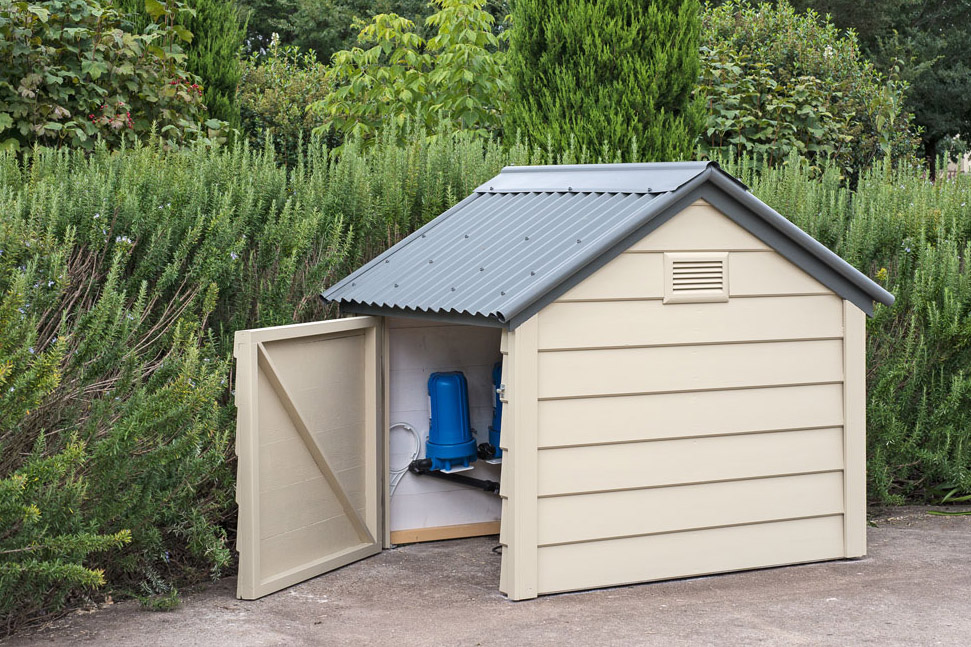
Groundwater pump houses provide reliable access to water for drinking, irrigation, and other essential needs. Proper water well installation and regular maintenance are necessary to ensure the longevity and efficiency of the well pump house. A well pump house, also known as a water pump cover, backyard pump house, or well pump shed, is a small structure designed to enclose and protect the water pump. It serves as a barrier against the elements, preventing damage from weather conditions such as rain, snow, and extreme temperatures. Additionally, a well pump house helps to reduce noise and provides a secure space for the pump. By following this step-by-step guide, you can successfully build a well pump house to protect your well pump and ensure a reliable water supply.
Ways To Save Money On Well Pump Costs
Well pump house ideas can range from compact pump houses to larger, pre-engineered well houses. Some people prefer the convenience and durability of a prefabricated pump shelter, while others may opt for a custom, easy-install well house. The design and size of the pump house can be tailored to suit the specific needs and aesthetics of your property.
Zoeller 1/2-HP 230-Volt Stainless Steel Submersible Well Pump
Ensuring no gaps and that the insulation covers all necessary areas is key to maintaining a stable temperature inside the pump house. A compact, efficient structure that covers the essentials – protection, insulation, and accessibility – is often sufficient. Wishing well pump house plans combine the practicality of a pump house with the aesthetic appeal of a traditional wishing well. These plans detail the steps to construct a circular, decorative structure around the well pump, often complete with a roof and doors for easy access.
Key Takeaways
Wiring a well pump can be a tricky task - one that's often best left to a professional. Remember that your well pump wiring will also need to meet local safety codes and an inspection may be required. The water should be clean and clear of silt, sand and other materials before you use it. Well pumps last, on average, 15 to 25 years before they need to be replaced. If you're going to insulate the pipes, wrap them with foam to keep them warm and prevent freezing during cold winters.

Step 1 - Prepare Ground and Set Posts
In conclusion, a prefab well pump house offers an efficient and convenient solution for housing your well pump and related equipment. With their durable construction, customizable design, and quick setup, these pre-engineered structures provide a reliable and long-lasting shelter for your well system. Whether you need a compact outdoor well pump house or a larger temperature-controlled pump house, there are prefab well house solutions available to suit your specific needs. The concept behind a prefab well pump house is simple – it is a pre-assembled structure that can be quickly set up on-site. These portable water pump houses are custom-designed to meet your specific requirements, ensuring that they fit seamlessly into your existing well system.
He also demystifies technology, offering easy-to-understand advice on the latest tech trends and cybersecurity. James Dunnington embodies a unique blend of expertise across multiple fields, from the natural environment to the digital world, making him a dynamic and multifaceted professional. Our team collaborates to create high-quality, well-researched articles on a wide range of science and technology topics for the TechieScience.com website. Before you spend your next six weekends transforming your unsightly well equipment into a hand-crafted masterpiece, plan ahead. You don't want something to happen requiring the pump be pulled or the equipment can't fit out the door. That means your beautiful work of art will have to be destroyed to remove the equipment.
These kits are specifically designed to house water well pumps and provide protection from the elements. They often come with pre-cut and pre-drilled components, making installation a breeze. With a water well pump house kit, you can ensure that your pump is securely housed and easily accessible for maintenance. Another option is to consider prefabricated pump shelters or pre-built utility buildings. These pre-assembled well pump structures are designed to be both functional and visually appealing. With various sizes and styles available, you can find a prefab pump house that suits your needs.
Pressure tanks in your house work together with your water pump to store water and make it available when you need it. Leaving tank issues untreated can lead to further system failures because other parts work overtime to keep up. When choosing a water pump for your house, consider factors like the depth of your well, the number of water fixtures in your house, and your overall water demand. It’s also important to consider the pump’s energy efficiency and the quality of its components.
They’re cost-effective, durable, and easy to install, which means you can get a new wellhouse up and running quickly. Wells provide clean, usable water to your home, meaning any issues with the well or well pump are important to address quickly. Watch for common issues, including pumps that constantly run or cycle quickly, a drop in water pressure, or no running water at all. You'll pay more for parts replaced inside a well than the easier-to-access components inside your home or pump house. By being proactive and making informed choices, you can ensure a reliable water supply while keeping well pump costs manageable. Another excellent option for off-the-grid living, solar pumps take advantage of the power of the sun to power submersible or jet pumps.
Fremont man rescued after falling into deep well - The Mercury News
Fremont man rescued after falling into deep well.
Posted: Sat, 24 Mar 2018 07:00:00 GMT [source]
Pressure tanks have a vinyl bladder inside that works with the air pressure in the tank. As the pump fills the tank with water, the air inside becomes more compressed. If that bladder becomes punctured or the tank loses pressure, you’ll suffer low water pressure and place extra strain on other components in your well water system. A well pump’s average lifespan is eight to 15 years depending on maintenance and the type of pump. If you are facing serious mechanical issues with your existing well pump, it may make more financial sense to buy a new well pump, rather than spending significant cash on repairs.
By taking the time to evaluate your needs and explore the available options, you can find the perfect outdoor well pump for your home. By considering these factors, you can select the right pump for your water feature, ensuring it operates efficiently and enhances the beauty of your outdoor space. Donna Boyle Schwartz is an avid writer with years of experience covering the home and garden beat in addition to out-of-home topics such as sports and local events.
There are a number of factors that will affect the cost of either installing a new well pump or replacing an existing one. Well size is one of the biggest factors, but also important to consider are the type of pump, the depth of the well and whether you have pressure tank issues in an existing system. By considering these factors when building your well pump house, you can ensure the longevity and efficient operation of your well pump. Remember to consult local regulations and guidelines when designing and constructing your pump house to ensure compliance with any specific requirements in your area.
Consider installing a ventilation system to manage humidity and temperature, and use weather-resistant paints or coatings to protect the exterior from the elements. Proper drainage will prevent water accumulation, which can lead to moisture issues and affect the integrity of the pump house. The size of the well pump needed for your house depends on the water demand, which is determined by the number of water fixtures, the size of your family, and any irrigation needs. A professional plumber or well-drilling contractor can help determine the appropriate pump size. When you build the door to your pump house, make sure that you have enough room to physically access every piece of the equipment. Also make certain that the door is big enough for any of the pump equipment to fit through.




No comments:
Post a Comment